

5 Tips on Writing: With Cory Lanham
My name is Cory Lanham and I’ve been a Writer/Narrative Designer in the games industry for over 16 years. After studying Screenwriting at Columbia College Chicago, I got my start in the industry at Day 1 Studios as a Production Assistant. I eventually worked my way into a Writing/Narrative Design role, and I’ve been clacking a keyboard ever since.
What's your best tip for hooking a player?
Introduce conflict as soon as humanly possible. It doesn’t have to be your story’s primary conflict.
In can just be a minor inconvenience. Just give your characters something to struggle against. A problem to solve. An adversary to overcome.
Getting your characters to respond to conflict early will not only help define who they are as characters, but it will also, and just as importantly, get your audience invested in your characters’ struggles; wanting to see them succeed. Then all that’s left to do is give the people what they want.
What's your best tip for plot development?
Billy Wilder put it best: “If you have a problem with the third act, the real problem is in the first act.”
Beginnings and endings should harmonize. They should rhyme. They should feel like reflections of one another. If you find your story’s ending is not having the impact you were shooting for, go back and take a good hard look at your first act.
Chances are, you’ll find you’re not doing all you can to set up your third act payoffs. Now you just have to hope you’ve made this discovery in time to do a rewrite.
What's your best tip for world-building?
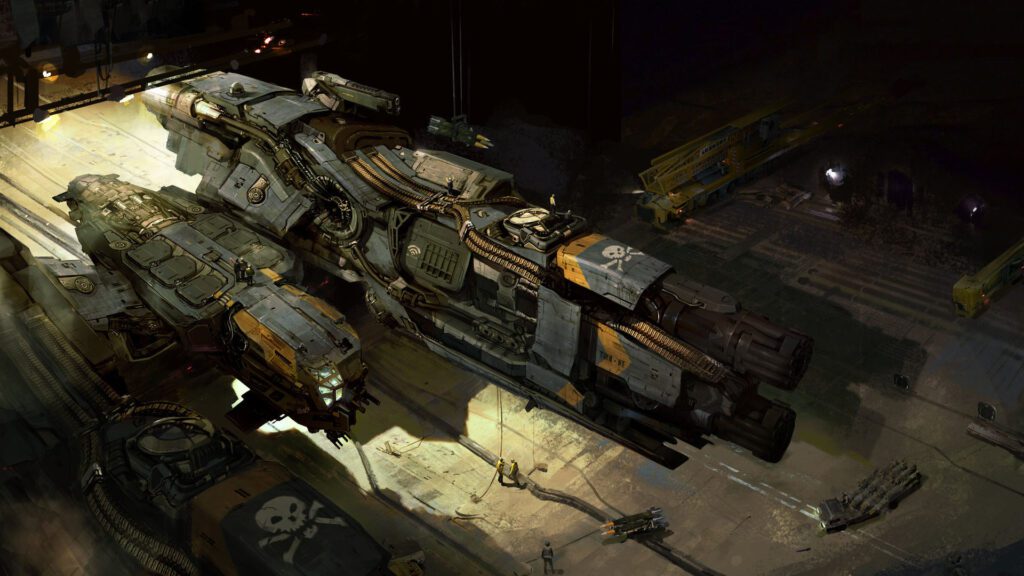
The best world-building not only enriches your setting, but also the story you’re trying to tell within that setting. Look for ways to use world-building to draw your story’s central idea into sharper relief. It will help tie your character’s journey to the setting in ways that will them both feel that much more authentic and tangible.
What's your best tip for character development?
Writing for games means surrendering some level of agency over your protagonist to the player. How much depends on the game, but there is always at least some modicum of agency we willingly hand over to players. As writers, we must take this into consideration when constructing our narrative.
Imagine The Last of Us with a player-created, silent protagonist. Doesn’t work as well (or maybe even at all) does it? The more agency a player has over your story’s main character, the narrower the gap between “Player” and “Character” becomes, and thus the trickier it gets to build an arc for said character, because the two are so intertwined.
In these instances, consider making the player character an agent of change. Have the actions your player takes over the course of the story, spur growth and change in the characters around them. Let those characters be the ones who are transformed, who experience an arc. Your story will still contain all those impactful, emotional character arcs people look for in good storytelling, and your player gets the satisfaction of seeing their actions bring about real, meaningful change in the other characters.
What's your best tip for creating meaningful choices?
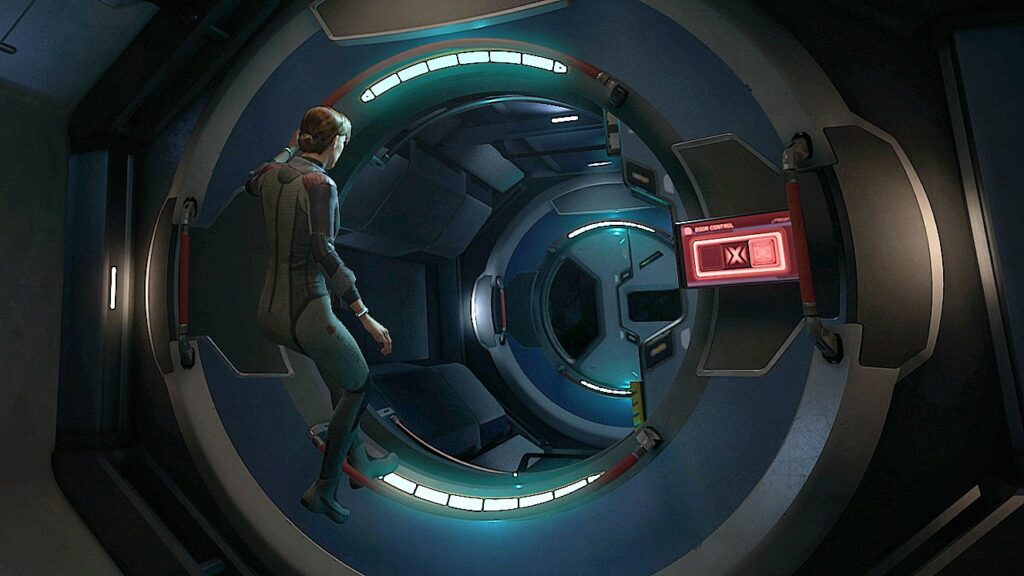
We often think of choices as rigid. The player reaches a point in the story and is presented with a list of choices, often (but not always) via a menu or UI text. Nothing particularly wrong with this approach, but it can prevent us from thinking of choice as something more organic.
Instead, look for opportunities to build scenarios wherein your player can make choices through the mechanics and systems you’ve given them, even if those choices aren’t readily apparent at first glance. Present the player with a scenario and then try to imagine all the actions players might take within that scenario. Recognize each of those choices as valid options and have the game react accordingly. When it’s done well, the impact can be positively jaw-dropping.
What are your strengths in writing and narrative design?
Embracing the collaborative nature of game development. As a game writer, it’s not your job to have all the good ideas. It’s your job to recognize when the good ideas come along. And they can come from anywhere. You can use JIRA as a more formal means for submitting ideas, sure, but more often than not you’ll find just sitting and talking with the other members of your team is where you dig up the real gems.
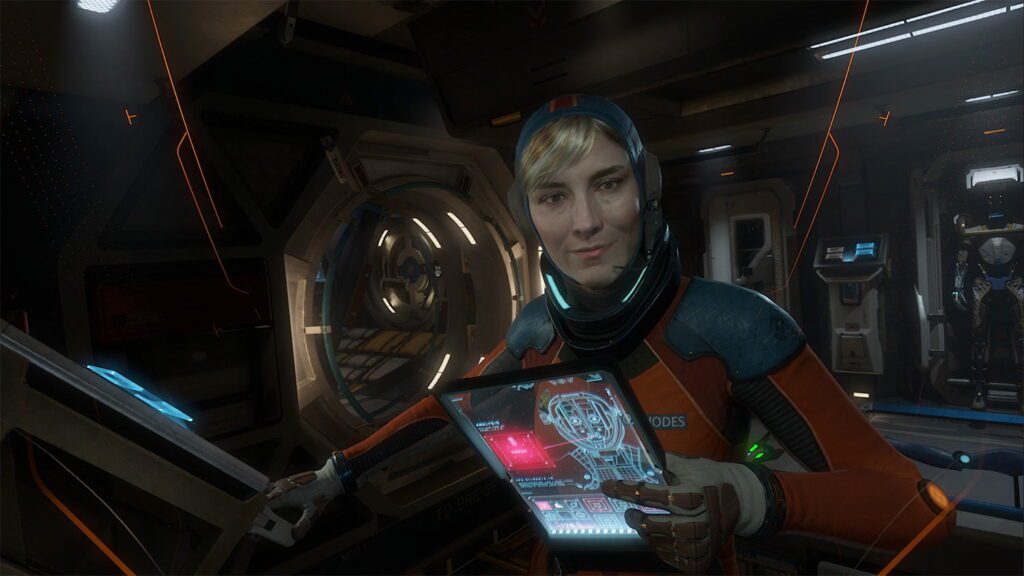
I’ve been told I have a very “cinematic” writing style. Both Lone Echo and its sequel have been characterized as playable Hollywood sci-fi epics. And you know what? I’m not mad at that description.
Which games or stories have you worked on?
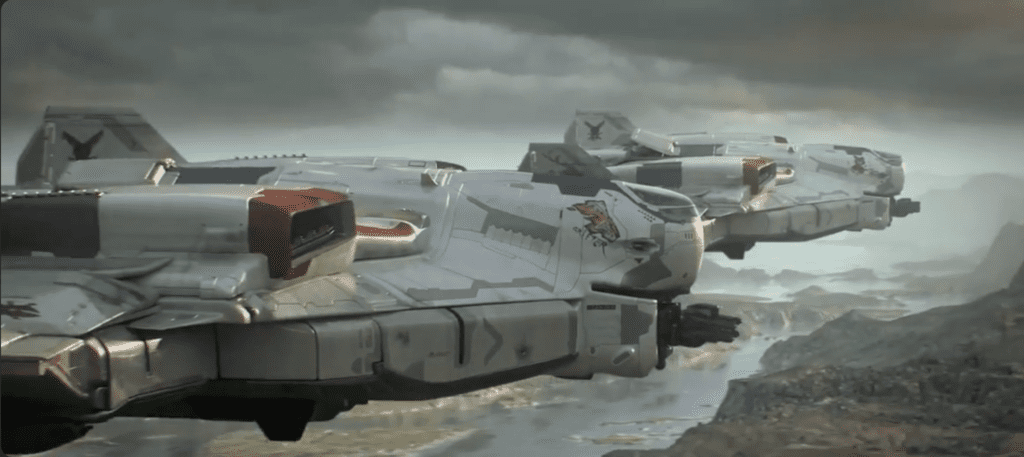
My time freelancing has had me working on everything from a Wizard of Oz Facebook city-builder to World of Tanks and Yager Development’s space shooter Dreadnought.
My first game writing credit was for the much-maligned F.E.A.R. 3 for Day 1 Studios and WB Games.
I cut my teeth working on a ton of different prototypes for Day 1 Studios, like Batman: Gotham by Gaslight and a reboot of the Silent Scope franchise.
My last full-time role was with Ready At Dawn, working on the VR sci-fi adventure Lone Echo and its sequel, Lone Echo II.
Exploring Favorites
Okay, this is too difficult a question…
Gun to my head, I’m going to say James Goldman’s stage-play, The Lion in Winter. Reading it for the first time, it felt like my feet were lifting off the ground. An absolutely masterful piece of writing. Hear me now and believe me later.
A Wish for Interactive Audio Stories
How about a story set in the world of Clair Obscur, in the last 24 hours before you disappear in the Gommage? You’re carrying 20+ years of heartaches, regrets, and misdeeds. How do you choose to spend your time? Pursuing a long lost love? Making amends with your estranged sibling? You can only do so much. What do you choose to care about?
We Want to Make You Shine & Thrive
Get Published & Build Your Portfolio with Interactive Audio Stories
Want to publish your own interactive stories and grow your portfolio? JOIN OUR WRITER’S POOL to create and release your work using TWIST, our no-coding game engine. Plus, get the chance to work on paid client projects and level up your storytelling skills.
Register for our Writing Workshop now

If you are interested in creating your own interactive audio story, you can apply for our WRITER’S WEBINAR! It will introduce you to our interactive story game engine, TWIST, and teach you how to use it to create interactive audio stories.
How to Contribute to 5 Tips on Writing
If you would also like to publish a blog post on our website and share your own story with interested readers, simply fill out the submission form.