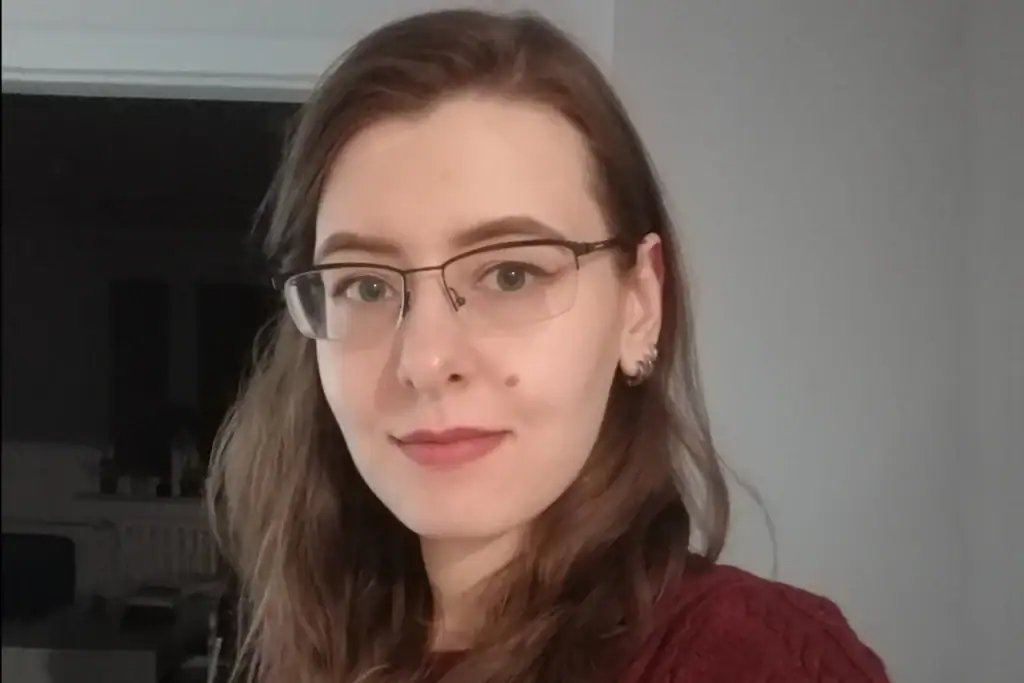
Erika Reynolds may be the only writer in this series whose toolkit includes Buffy scripts, the Brothers Grimm, and tarot writing prompts — and all three went into a TWIST Tales story you can actually play. A combat veteran turned author, she has published two books and three RPGs, is writing her first visual novel, and recently took up blogging to grow her virtual presence. Her tips are short, concrete and immediately stealable — the working methods of someone who likes an example to follow.
ER
This week's expert
Erika Reynolds
Combat veteran turned author: two published books, three RPGs, a visual novel in progress. Works include the sci-fi text game Mother's Little Helper, the solo journaling RPG Noble Without a Soul, and the TWIST Tales story The Eldritch Orb.
Tip 1 — Study the teasers (her Buffy method)
Being a veteran, she likes to have an example to follow. So she bought the scripts for season 1 of Buffy the Vampire Slayer and studied the teasers — using their pacing as the template for her own hooks. Find writing you admire in script form, and reverse-engineer the opening minutes.
Tip 2 — Structure on fairytale beats
Study fairytales and structure your story according to the same beats. Her TWIST Tale The Eldritch Orb is built on Hansel and Gretel: she followed the action of the original tale but made it more dystopian. Centuries-tested structure, new skin.
Tip 3 — Build worlds from mood boards
Worldbuilding depends on the type of story. Writing dystopia, she immediately thinks of Blade Runner — then goes to Pinterest and searches Blade Runner, cyberpunk and dystopian pins to get a clearer picture of the world she's creating. Fine-tune the images with words and make them your own.
Tip 4 — Character sheet first, story second
She completes a character sheet before writing a single story word — knowing the person inside and out: hobbies, political stances, religious affiliations, strengths, weaknesses, fatal flaws. (Templates are on Pinterest too.) Understanding the character's psychology tells you how they develop once the problem arrives: who they are before it, how they react to it, and how they respond after it's resolved.
Tip 5 — Pull a tarot card for your conflict
I shuffle my deck, pull a card, and research its meaning. I incorporate the "negative" aspects of the card to integrate conflict for my character to respond to.
— Erika Reynolds
She likes a mystical element in her stories — and uses tarot writing prompts to create meaningful choices. No deck required: just Google "single tarot pull" and go from there. The card's shadow side becomes the conflict; the character's response becomes the choice.
Tarot writing prompts
Erika Reynolds in five lines
- Study produced scripts — Buffy's teasers taught her hook pacing.
- Borrow fairytale beats; The Eldritch Orb is dystopian Hansel and Gretel.
- Mood-board your world on Pinterest, then translate images into words.
- Character sheet before story: psychology predicts the arc.
- Pull a tarot card and write its shadow side as your next conflict.
Erika's strengths
Organization. She takes the time to delve into world and characters and write an extensive outline, using templates to expedite and standardize the process. "Plotting the story out can be a grind. But it is necessary to have a solid foundation before moving forward."
What she has worked on
Her first game is the sci-fi text game Mother's Little Helper: you play Melanie, a wealthy woman who married a "regular" guy for love but lacks domestic skills — until a gal pal provides a clone of her childhood maid, Ethel. The answer to her problems, or the source of more domestic chaos? Then she found a community with TWIST Tales and wrote The Eldritch Orb: Addy and Cynth must rush home from their factory jobs to avoid deadly Ursawraiths and the anger of their guardians — until they discover the Eldritch Orb and its mysterious abilities, and must unravel the mystery of their vanishing fellow wards. And there's Noble Without a Soul, a solo journaling RPG illustrated by her friend Mone Jimenez: you play a noble who loses their soul in a card game to a mysterious hooded stranger and must travel through various landscapes to win it back.
Erika's favorite story
Matilda by Roald Dahl. She loves that Dahl understands parents can be antagonists: Matilda's horror was her home, and she escaped hell by reading — brilliant enough to carve out the life she wanted. "Matilda never gave up. She did her research, and she got even."
The interactive audio story Erika would write
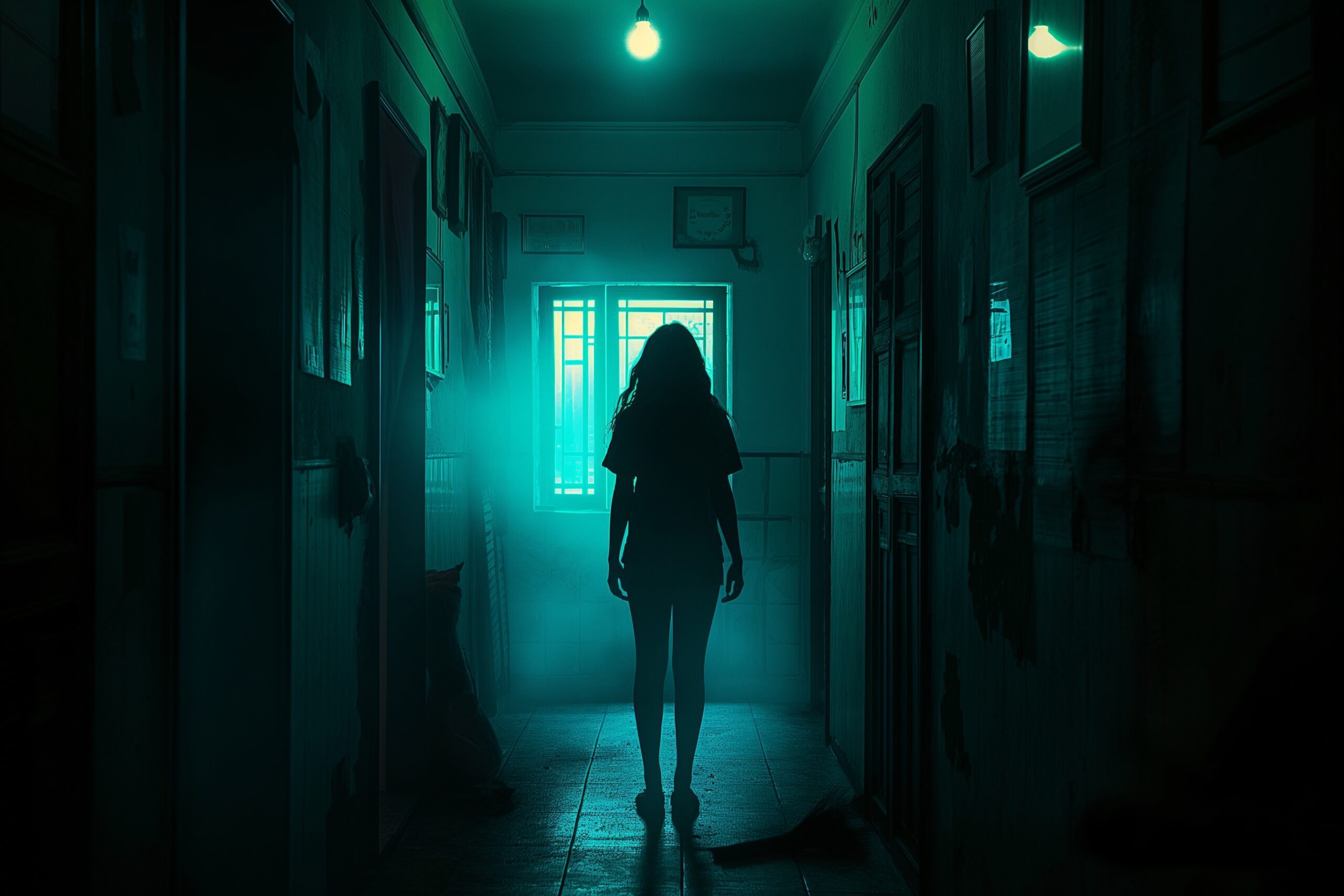
The Witch's House — the puzzle-driven horror RPG in which Viola wakes in the woods, finds a note telling her to enter the witch's house, and is guided by a talking cat. Adding choices to her interactions with the cat and the house's other inhabitants would open endless side-quest possibilities. "I'd play the hell out of that game!"
About 5 Tips on Writing
A TWIST Tales series where writers and narrative designers share five tips, one voice, zero filler. Want to get featured with your best tips on writing?
Submit Blogpost Request

 5 Tips on Writing