 Specials
Building TWIST Tales in Public – And Why You’re Early
TWIST Tales is a home for interactive audio fiction where your choices shape the story. See what we're building and how to take part.

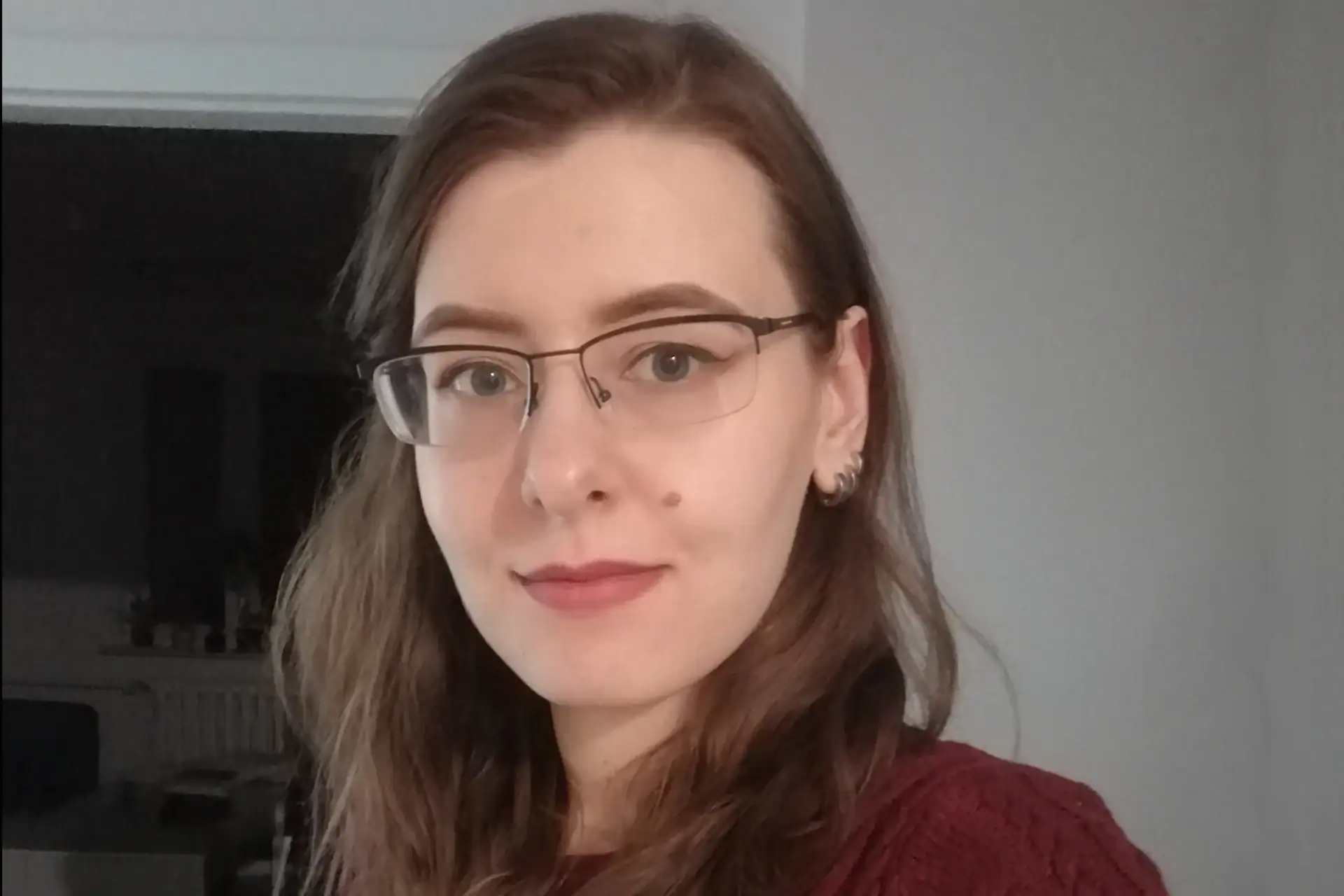
Barbara Kciuk is a senior narrative designer with nearly 8 years of experience in the games industry, and she treats the narrative design craft as exactly that — a craft. Interactive storytelling has always been a huge passion of hers — so much so that she earned a bachelor's degree in game studies and now shares her love for game design as a university lecturer.
A helpful question to ask when creating a character is: "Who would be the worst equipped to deal with this situation?"— Barbara Kciuk
When it comes to her artistic interests, Barbara is primarily interested in the impact of stories on players and players on stories. This unique and inherent possibility can only be fully realized in video games. Her intention here is to present a more technical side of writing — to show that there's a method to this madness.
Questions, contrasts, and paradoxes. Our brains like to be teased and challenged — so doing just that, especially early on, helps to keep the audience engaged. When they know that something about your story, characters, or the world isn't quite as it seems, it keeps the cogs in their brains constantly turning.
So even if mystery isn't the heart of your story, leading with questions and paradoxes is a great way to guide your audience through the early parts — which are often a bit slower due to their expository and tutorial-y nature. And once they're in, they're in.
When working on commercial projects, writing is equal parts artistry and craftsmanship. The latter often gets overlooked by aspiring game writers and narrative designers who have a more romantic view of the job. In game writing, you don't have total freedom — you're constrained by numerous factors, from small ones like character limits to major ones like budget. Unlike personal projects, you likely won't have the time or space to explore completely new avenues of expression. Moreover, you can't just hope your writing will find its audience once it's released — you need to create with a specific audience in mind.
That's why it's often better to treat plot as puzzle. While all stories stem from our imagination, their creation shouldn't stop there. Once you are done with the initial idea, get into the technical details of your story: dissect it, break it down into small chunks, identify all the arcs, and name all the tropes. Then, analyze which parts support each other and which don't. Make your plot work like a finely-tuned machine — even if it means killing some of your darlings.
Always treat worldbuilding as a tool first. In games especially, a well-crafted world can make explaining the gameplay rules so much easier. Start by planning out the elements that directly correlate with the mechanics. For example, consider a magic system: is there magic in your world? Who can use it, how, and to what extent? Does it rely on mana or is there a different type of exhaustible resource? How does spellcasting and spell-learning work? Explaining a complex system like this solely through numbers and character stats can be tricky, so providing a nice plot-based illustration helps ease the player into it.
Once you've addressed the gameplay-related mechanics, move on to filling the gaps left by the previous questions. For instance, if mages in your world learn spells by reading scrolls — where do those scrolls come from, and who makes them? Are they rare, or has your world had its equivalent of Johannes Gutenberg, allowing for the mass-production of magic scrolls? Whatever the answers, building your world in this way will make it feel lively and coherent within the context of the game.
A helpful question to ask when creating a character is: "Who would be the worst equipped to deal with this situation?" While this might initially lead to some silly answers, with further thought, you'll develop characters who aren't yet able to overcome the challenges presented by the plot. And this is a good thing — it forces them to change, which is the essential part of a character arc.
Always start your characters as imperfect, incomplete, or even delusional. While these words might seem negative, they don't mean your characters need to be incompetent or unpleasant — just that they haven't yet reached their full potential. Leave them room to grow, and let the player witness, or better yet, influence that growth.
This approach works especially well with side characters or player companions. There's no better way to build a strong relationship between the player and the world around them than by allowing them to see how their actions influence that world, characters included.
Choices are one of the most complex aspects of game development. Technically, everything a player does in a game is a choice. Even just moving forward requires a conscious decision. But when it comes to narrative — sometimes the best choice a designer can make is not to give the player any choice at all.
Not every game needs story-based choices. Always weigh the pros and cons. Consider the themes of your story: does allowing the player to affect them bring something new to the table, or will the choices only be used to highlight that the player might have failed to learn the lesson you were trying to convey? Do you have the budget to make these choices meaningful by impacting the in-game world in some way? If not, the entire experience might feel hollow in the end.
So when thinking about how to create meaningful choices, always start by asking: what meaning am I creating by giving the player a choice?
I believe that to truly immerse oneself in the narrative design discipline, one must be equally passionate about both writing and game design. Creating genuinely emotional gaming experiences requires more than just focusing on the story alone. Understanding how to evoke the same emotions through gameplay and then integrating these two elements together allows for full immersion. That's why I strive to specialize in both aspects equally — I believe they are at the very core of narrative design craft.
Over the years I contributed to many projects, but my biggest works were definitely Blair Witch (2019) and Silent Hill 2.
Pathologic 2. I both can and can't recommend it enough. Try it. You probably won't like it. But if you will, you'll love it.
I personally love utilizing the unique opportunities each medium provides. When it comes to an interactive audio story, I would surely focus on the "audio" part and look for stories that can only be told through sound. Maybe it should be a merry adventure of a band? Or the struggles of a new voice actor? Incorporating technologies like binaural recording could add an extra layer of immersion too.
A TWIST Tales series where writers and narrative designers share the advice they'd give to anyone starting out — five tips, one voice, zero filler.
Specials
TWIST Tales is a home for interactive audio fiction where your choices shape the story. See what we're building and how to take part.
 Road to Rank 1
What Starlight Runner founder Jeff Gomez taught us about transmedia storytelling and building story worlds audiences actually want to live inside: the difference between a setting and a…
 Road to Rank 1
Long before TikTok turned every brand into a world, Jay Bushman was already telling single stories across many platforms. What the transmedia pioneer behind Lonelygirl15 taught us about…
 Road to Rank 1
Most fictional worlds are too generic for anyone to remember. Konstantinos Kiousis on twist-driven worldbuilding: why every memorable world starts with a single twist on the familiar, and…